
Five Google Algorithms That All Digital Marketers Need to Understand
Google regularly updates its search algorithm to improve the quality of search results and give users the most relevant information. For digital marketers, these updates are important because they can influence website rankings, online visibility, and organic traffic. Major revisions like Panda and Penguin are frequently discussed, but SEO and digital marketing strategy are also significantly impacted by a number of other Google algorithms. Knowing how these updates work can help marketers create better content, improve website performance, and stay ahead in search rankings. In this blog, let’s explore five important Google algorithms every digital marketer should know: Possum, Fred, Helpful Content Update, Pigeon, and Mobilegeddon.
1.Possum
The Possum update was introduced to improve local search results. This algorithm helps Google show businesses based on the user’s location and the relevance of the business to the search query. It also filters out similar listings so that search results remain diverse and useful.
This update became especially important for businesses that depend on local customers.When someone searches for a local digital marketing agency, for instance, Google might show companies in the area rather than only the most well-known websites. Because of Possum, local SEO has become more competitive, and businesses now need to optimize their Google Business Profile, use location-based keywords, and maintain accurate contact information to perform better in local search results.
2.Fred
The Fred update focuses on websites that prioritize revenue over user experience. It mainly targets pages that are filled with too many ads, affiliate links, or low-quality content created only to attract clicks. Google introduced this update to reduce the visibility of websites that provide little value to users.
For digital marketers, Fred is a reminder that content should always be created with the audience in mind. A website may have strong traffic goals, but if its pages are crowded with advertisements and offer very little useful information, it may struggle to maintain rankings. To avoid problems related to Fred, marketers should focus on creating informative, engaging, and well-structured content that genuinely helps readers instead of only trying to increase ad revenue.
3.Helpful Content Update
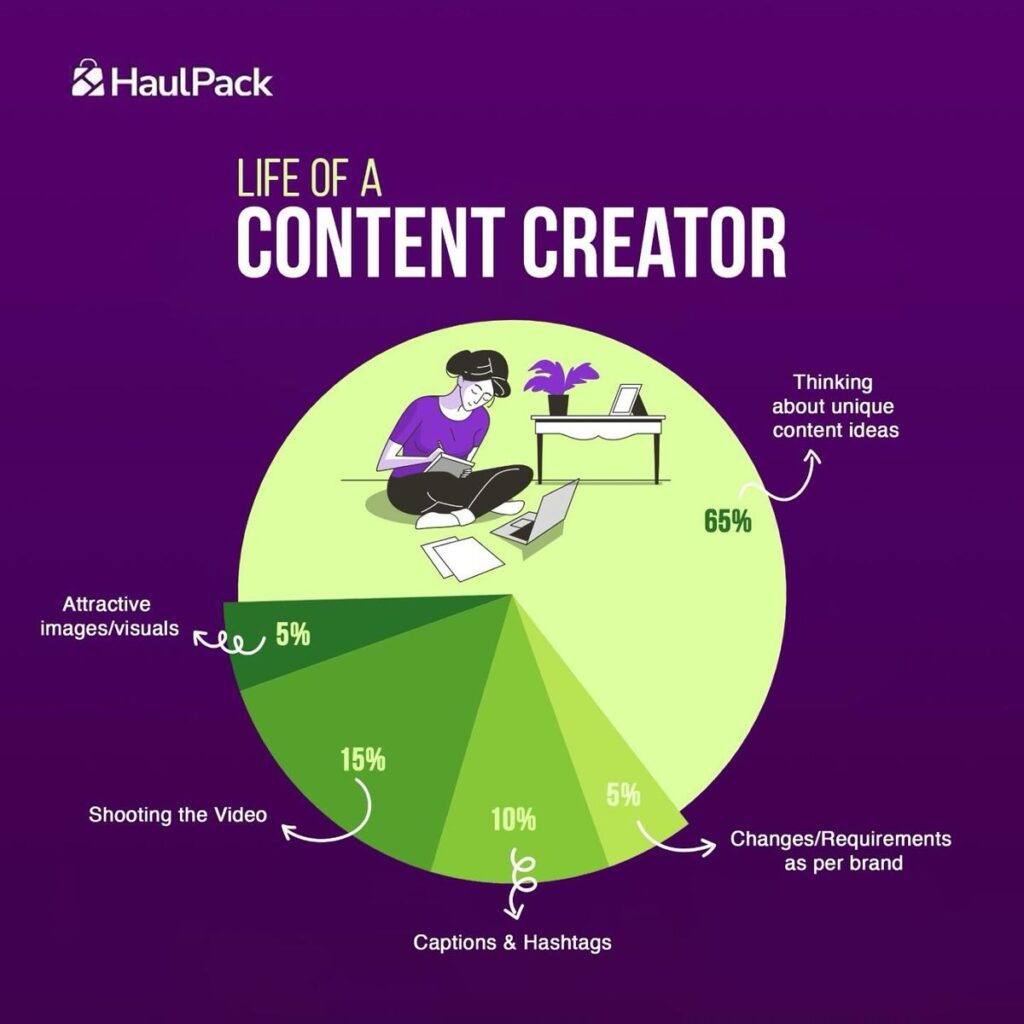
The Helpful Content Update is one of Google’s most important modern updates. Its main purpose is to reward content that is written for real people rather than content created only to perform well on search engines. Google wants users to find pages that answer their questions clearly, provide useful insights, and reflect genuine knowledge or experience.
This update changed the way marketers think about content creation. Instead of writing articles simply to target keywords, businesses now need to focus on quality, originality, and relevance. For example, if someone searches for social media marketing tips, Google is more likely to rank a blog that gives practical advice, examples, and clear explanations rather than a generic article filled with repeated keywords. The Helpful Content Update shows that modern SEO is not just about ranking—it is about building trust with the audience
4.Pigeon
The Pigeon update strengthened the relationship between local SEO and traditional ranking factors. Before this update, local search results were somewhat separate from the main search algorithm. Pigeon changed that by making local rankings depend more on factors such as website quality, domain authority, and overall relevance.
This was a major shift for local businesses. It meant that simply having a business listing was not enough; companies also needed a strong website and good SEO practices to rank well in local searches. For example, if someone searches for “best restaurants in Calicut,” Google considers both the location of the restaurant and the overall quality of its website and online presence. Pigeon encouraged businesses to take local SEO more seriously by improving their websites, creating local content, and building trust online.
5.Mobilegeddon
The Mobilegeddon update was introduced when mobile internet usage started growing rapidly. Google realized that users searching on smartphones needed websites that were easy to read, fast to load, and simple to navigate. As a result, this update began rewarding websites that were mobile-friendly and reducing the visibility of sites that performed poorly on mobile devices.
For digital marketers, Mobilegeddon made responsive design an essential part of SEO strategy. .A website that functions flawlessly on a desktop computer but is challenging to use on a mobile device may lose out on important search traffic.Today, mobile-friendliness is more important than ever because a large share of online users access websites through their smartphones. To stay competitive, businesses must ensure their websites are responsive, fast, and easy to browse on smaller screens.
Conclusion
Google algorithms continue to shape the way websites appear in search results, and understanding them is essential for anyone involved in digital marketing. Updates like Possum and Pigeon highlight the growing importance of local SEO, while Fred reminds marketers to focus on quality rather than excessive ads or low-value content. The Helpful Content Update emphasizes the need for people-first, trustworthy content, and Mobilegeddon proves that user experience on mobile devices can directly affect search visibility.
For digital marketers, the key takeaway is simple: success in SEO is not only about adding keywords or building backlinks.It involves figuring out what people need, producing content that actually benefits them, and ensuring a seamless experience on all devices.. By keeping up with important Google algorithm updates, marketers can build stronger strategies, improve rankings, and create a better online presence for their business.